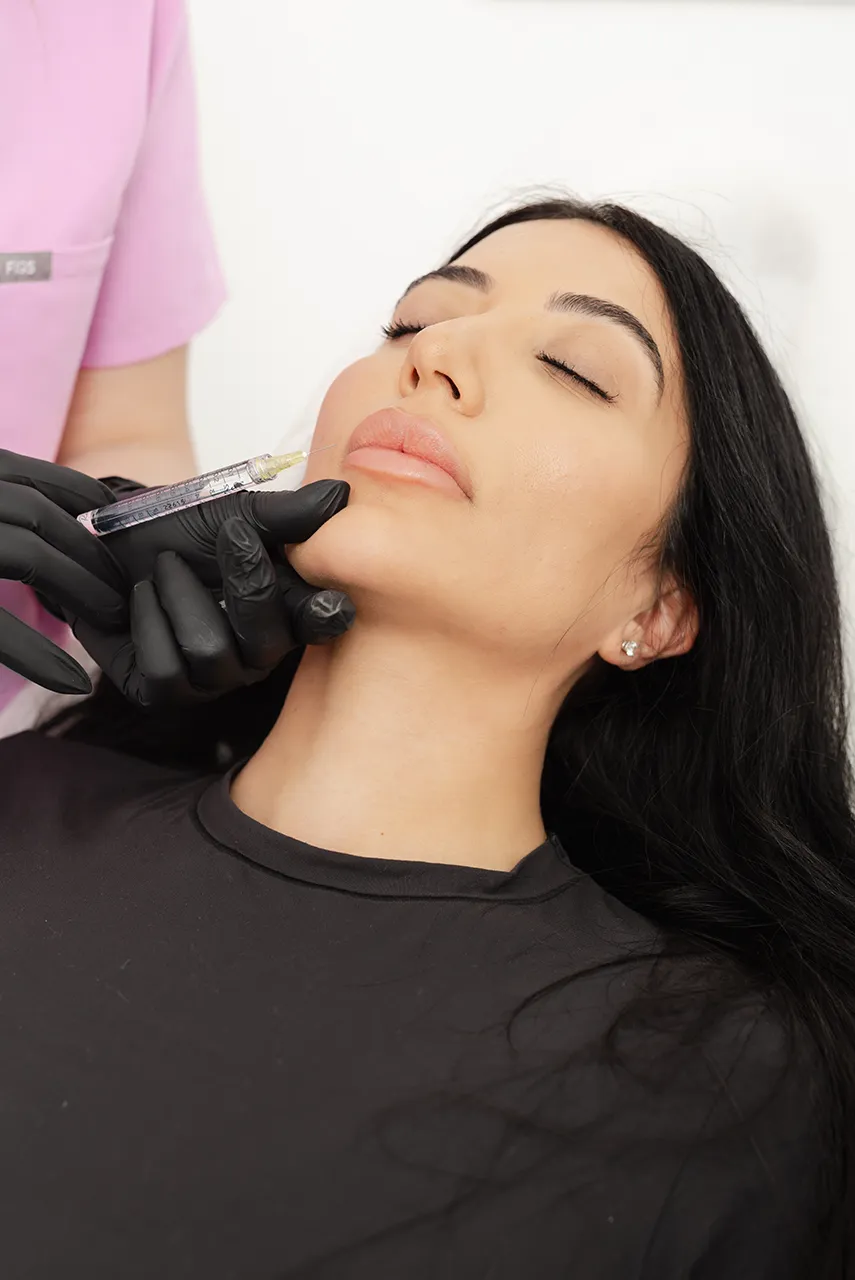
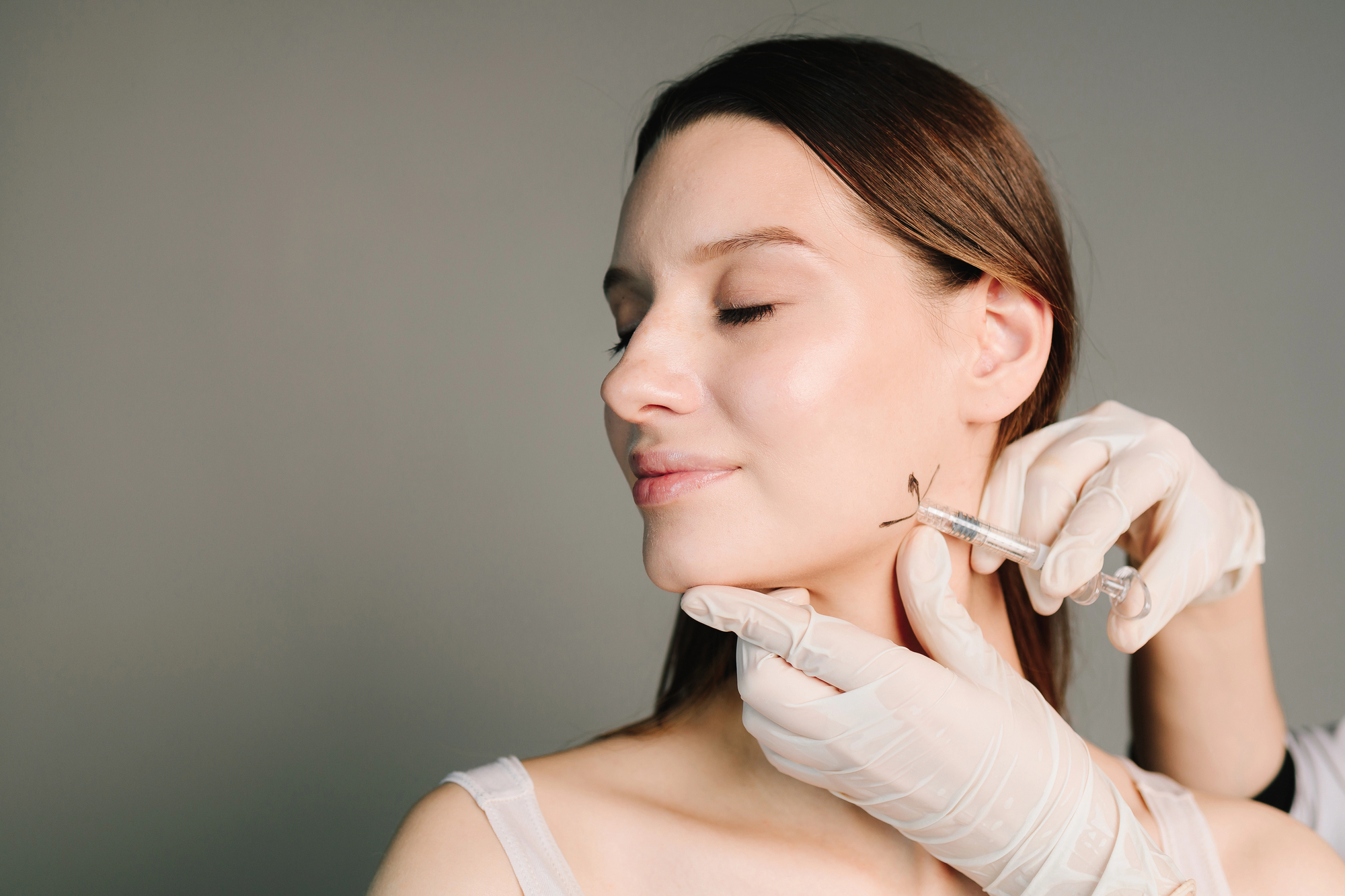
Jawline filler is a non-surgical injectable treatment that adds definition, improves balance, and restores structure along the lower face. Depending on your anatomy and goals, filler may be placed near the jaw angle, along the jawline, or around the chin to create a smoother, more defined contour.
The best results are usually subtle. Jaw filler should support your existing facial proportions rather than make the lower face look heavy or overfilled. The right amount depends on your bone structure, soft tissue, skin quality, and the changes you want.
Key Takeaways
- Jawline filler can add definition, structure, and balance without surgery.
- Results are visible early but look more settled after initial swelling improves.
- Filler may soften the appearance of mild jowling, but it does not tighten significantly loose skin.
- Tailor product choice, placement, and amount to your facial anatomy.
What Is Jawline Filler?
Jawline filler is a type of dermal filler treatment used to shape or support the lower face. Many modern fillers are made with hyaluronic acid, a substance naturally found in the body that attracts water and adds volume.
Dermal fillers for jawline enhancement are placed strategically, not injected evenly across the face. The goal of jawline contouring is to improve proportion, definition, or symmetry while keeping the result consistent with the rest of the face.
Who Is a Good Candidate for Jawline Filler?
A Soft or Less Defined Jawline
Jaw fillers may suit people with a naturally softer jawline or who feel their lower face lacks definition. Strategic placement can create a clearer transition between the face and neck without dramatically changing your overall appearance.
Facial Imbalance or Asymmetry
Small differences in chin projection or jaw shape can affect how balanced the face looks from the front and side. Jawline fillers may be used alongside chin treatment to create a more proportionate lower-face profile.
Early Jowling or Age-Related Volume Loss
As facial volume changes with age, the jawline can look less continuous or defined. Injectables for jowls may help in selected cases by restoring support around areas of early volume loss and softening the visual break along the jaw.
Filler does not remove loose skin. If skin laxity is the main concern, a tightening treatment such as Morpheus8 may be more relevant, either instead of filler or as part of a broader treatment plan.
What Results Can You Expect from Jaw Fillers?
Jaw filler can create a more defined angle, smoother contour, or better balance between the chin and jaw. You may see results soon after treatment, though swelling can make the area look fuller or slightly uneven at first.
As the swelling settles, the result usually becomes easier to judge. Like other injectables, fillers can continue to soften and integrate with the surrounding tissue after treatment. Understanding how injectables change over time can help set realistic expectations for the first days and weeks.
Natural Definition, Not a Completely Different Face
Modern injectable treatment is increasingly focused on precision and natural proportions rather than dramatic volume. Current injectable trends also favour smaller, targeted adjustments that preserve your existing features.
A strong result should still look like you. The jaw may appear cleaner or more structured, but it should remain in proportion with the cheeks, chin, lips, and overall face.
How Long Does Jaw Filler Last?
Jaw filler is temporary. Longevity varies by product, treatment area, metabolism, amount placed, and individual response. Dermal filler results can last from several months to well over a year, and some products may last longer. Maintenance should be based on how the result is changing rather than a fixed schedule. Sometimes the right next step is a small adjustment, more time, or no additional filler yet.
What Happens During and After Treatment?
A jawline filler appointment should begin with an assessment of your facial structure, medical history, previous injectable treatments, and goals. The injector then decides where the product can add useful support and where additional volume won't help.
During treatment, the injector places small amounts of filler in selected areas using a needle or cannula. You may feel pressure, pinching, or tenderness. Mild swelling, bruising, redness, or sensitivity can occur afterward and usually improves as the area settles.
Dermal fillers are medical treatments and do carry risks. Before treatment, it is worth understanding dermal filler safety, including common temporary reactions and the rare risk of vascular complications.
Contact your provider promptly if you develop unusual or severe pain, significant skin colour changes, or other concerning symptoms. Vision changes after filler treatment require urgent medical attention.
When Jawline Filler May Not Be the Right Option
Filler is not the best solution for every lower-face concern. Significant skin laxity, substantial fullness under the chin, or a jaw shape driven mainly by muscle size may need a different approach. Adding more filler in the wrong situation can make the lower face look heavier, not sharper.
A consultation can help separate volume loss from skin laxity, muscle activity, or submental fullness. Depending on the cause, other aesthetic services may be more appropriate than adding jawline volume.
Frequently Asked Questions
What does jawline filler do?
Jawline filler adds structure or volume to selected areas of the lower face. It may sharpen the jaw angle, smooth an uneven contour, improve symmetry, or create better balance between the jaw and chin.
Are dermal fillers for jawline treatment suitable for jowls?
They can help in some cases of mild jowling when loss of support contributes to the appearance. Filler does not tighten loose skin, so more noticeable laxity may respond better to a skin-tightening treatment or a different plan.
How long do jaw fillers last?
Duration varies with the product, amount used, treatment area, metabolism, and individual response. Results are temporary and may last from several months to well over a year.
Do fillers on jawline areas look natural?
They can, when the amount and placement suit your anatomy. Natural-looking treatment focuses on proportion and continuity rather than making the jaw as sharp or wide as possible.
Does jaw filler hurt?
Most people describe pressure, pinching, or brief discomfort during treatment. Sensitivity varies, and some filler products contain lidocaine to help reduce discomfort. Tenderness or swelling can occur afterward.
Is Jawline Filler Right for You?
Jawline filler can help add definition, restore volume in selected areas, or improve lower-face balance without surgery. The important question is whether volume is actually the right solution for the concern you are seeing.
If you are considering jaw filler, contact us to book a consultation at Beauty Med Clinic. Your provider can assess your jawline, discuss your desired results, and recommend an approach that fits your facial structure.