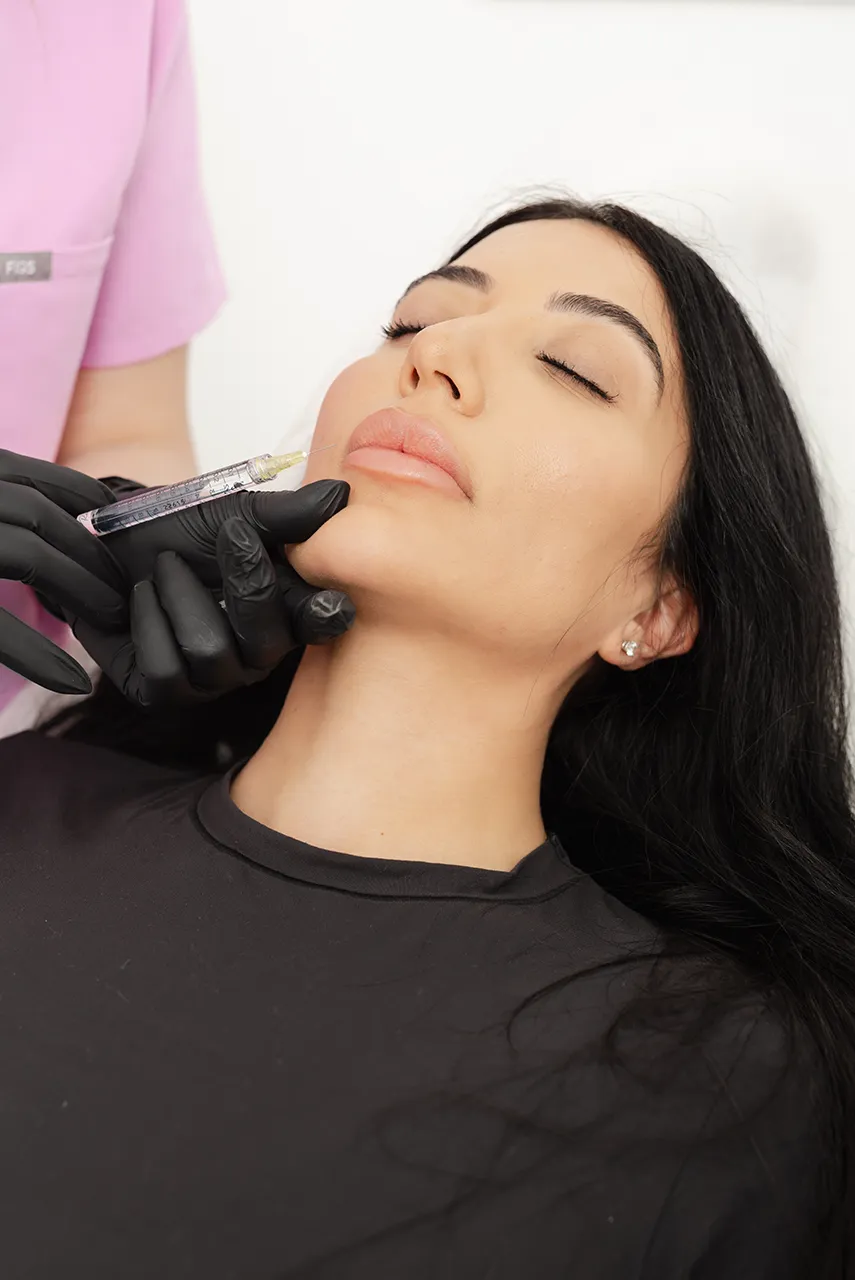

Botox is done properly when your face looks softer, balanced, and natural around the two-week mark. You should still be able to show expression, your brows should sit comfortably, and the treated areas should not feel heavy, pulled, or frozen. In the first few days, some redness, mild unevenness, or limited change can be normal because Botox takes time to work. The result depends on facial anatomy, dose, placement, aftercare, muscle activity, and the injector's experience.
Key Takeaways
- Good Botox looks natural. You should still be able to show emotion, just with softer lines.
- Full results take 7 to 14 days. Try not to judge your Botox in the first 48 hours.
- Heaviness, uneven movement, or fast fading can happen for many reasons, not just injector error.
- Many Botox results last about 3 to 4 months, depending on dose, treatment area, metabolism, treatment history, and muscle activity.
What Good Botox Should Look Like
A good Botox treatment should soften lines without erasing your natural expressions. You should still look like yourself, just more rested. The overall result should feel subtle and balanced. Signs your Botox has settled well include:
- Softer fine lines without a “frozen” look
- Balanced results on both sides of the face
- Brows that sit at their natural height
- Natural facial movement when you smile, frown, or raise your eyebrows
- No heaviness, drooping, or pulling sensation
If your result checks these boxes around the two-week mark, the treatment has settled well.
The Botox Timeline: When to Judge Your Results
Botox does not work right away, which can surprise first-time patients. Knowing the timeline helps you avoid early worry.
Day 1 to 3
You may notice small bumps or redness at the injection sites. These usually fade within a few hours. The Botox itself has not started working yet, so your wrinkles will still look the same.
Day 4 to 7
This is when many people start to notice early changes. Movement may begin to soften, and lines may look less pronounced. Some areas can respond faster than others, so mild unevenness during this stage is not always a concern.
Day 10 to 14
Full results usually become clearer around the two-week mark. This is the right time to review your results and decide whether a follow-up or a touch-up is needed. Many providers offer a check-in around this stage.
Signs to Watch for After Your Botox
Some early results can look uneven before the product fully settles. However, here are the signs to watch out for after two weeks:
1. A Heavy or Drooping Brow
If your brows feel heavy, or one brow sits noticeably lower than the other after two weeks, it may be related to dose, placement, forehead muscle strength, or how nearby muscles are responding. This effect is usually temporary, but booking a follow-up is worth it.
2. A Frozen, Expressionless Look
If you cannot raise your brows at all, or your forehead looks very flat, the dose may have been higher than your muscles needed. Some people prefer a stronger effect, while others want more movement.
3. Uneven Results
Some asymmetry is normal because faces are not perfectly symmetrical. If one brow lifts much higher than the other, it may settle as the treatment takes full effect. If the asymmetry is still noticeable after two weeks, review the dose and placement with your injector.
4. A Drooping Eyelid (Ptosis)
This is rare but worth knowing about. If your upper eyelid feels heavy or droops in the days after treatment, the product may have affected a nearby muscle. The effect is usually temporary, although it can last several weeks.
5. The “Spock Brow”
Spock brow is when the outer ends of your brows lift sharply, which can give you a surprised look. It can happen when the centre of the forehead softens before the outer muscles do. A small touch-up may help even things out when appropriate.
6. Bunny Lines or New Wrinkles
Treating one area can sometimes change how nearby muscles move. Lines on the nose, often called bunny lines, are one example. An experienced injector will assess the surrounding muscles and may recommend treating the area if it fits your goals and treatment plan.
How Long Does Botox Last?
For most people, results last about 3 to 4 months. Some areas, like crow’s feet, may fade a little sooner because those muscles are very active. Forehead lines and frown lines often last a bit longer. A few things affect how long your results last:
- Dose: A lower dose tends to mean a shorter result.
- Area treated: Active muscle areas may wear off faster.
- Metabolism: People with faster metabolisms may break down Botox sooner.
- Lifestyle: Frequent intense workouts and high stress can shorten results for some people.
- Treatment history: Regular treatments can help muscles relax over time, which often supports longer-lasting results.
If your results never reach the 3-month mark, it is worth talking with a specialist about adjusting the dose or treatment plan.
Choosing the Right Clinic for Botox in Richmond Hill
Botox is a small treatment with a big impact when it goes well. The right injector helps you feel refreshed without looking overdone. Before your Botox treatment, take time to research, ask questions, and look at real before-and-after photos. If you are considering Botox for forehead lines, frown lines, or crow’s feet Botox in Richmond Hill, book your consultation with Beauty Med Clinic to talk through your goals, ask questions, and find out what approach may suit your face.
Frequently Asked Questions
How long does Botox last?
Many Botox results last about 3 to 4 months. The timeline depends on the dose, the area treated, your metabolism, your treatment history, and the level of muscle activity in that area.
Is it normal for Botox to look uneven at first?
Yes, mild unevenness can happen while Botox is settling. Some areas may respond faster than others. If one side still looks noticeably different after about two weeks, your injector can review the result and decide whether a touch-up is appropriate.
Does the Botox technique matter?
Yes. Botox technique matters because results depend on how your injector assesses your face, chooses the dose, places the product, and accounts for your facial movement. A skilled injector knows which muscles to treat and how to soften lines without making your face look frozen or heavy. Before booking, ask about their training, experience, and approach to Botox.