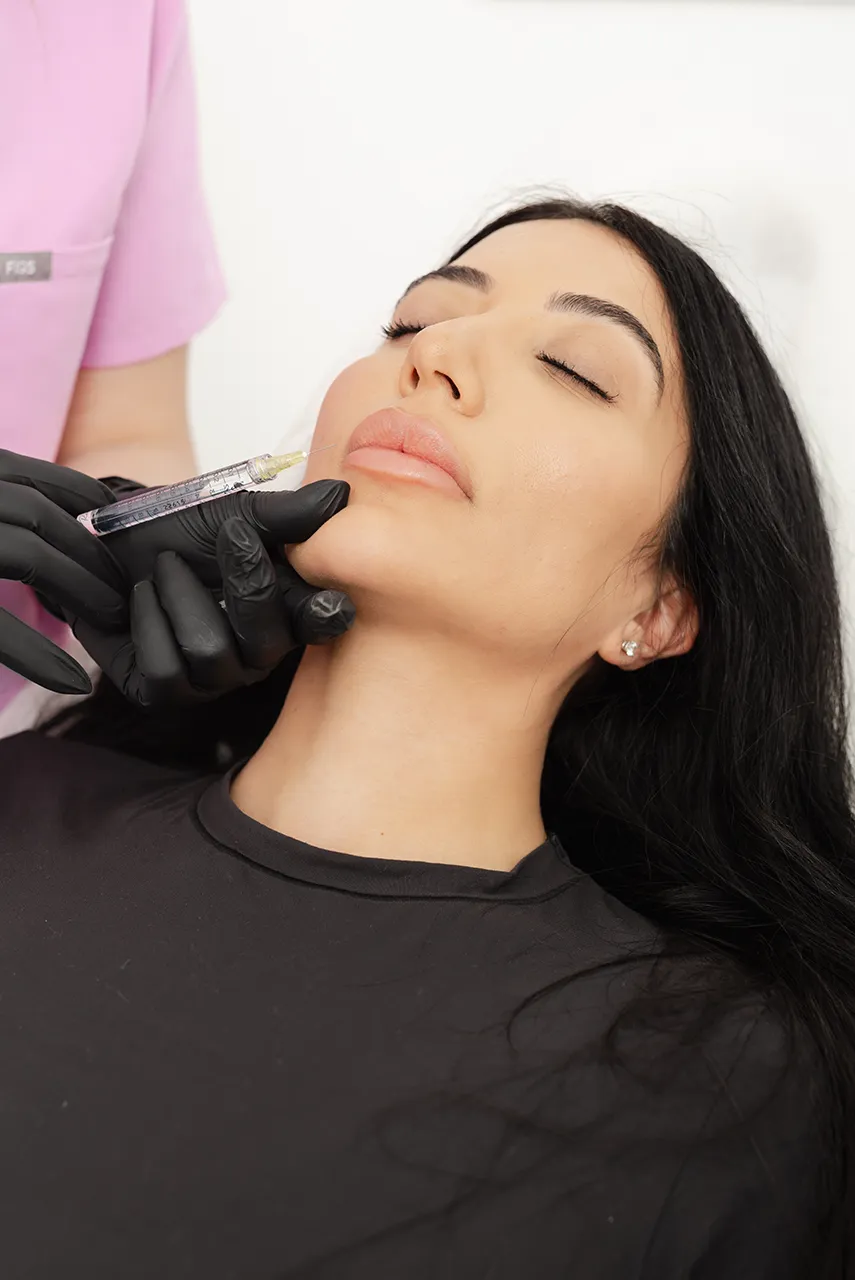
For years, cosmetic treatments focused primarily on correcting visible signs of aging. Dermal fillers restored lost volume, while wrinkle relaxers softened expression lines. These treatments remain popular, but many people today are looking for something different.
Instead of simply masking the signs of aging, they want treatments that encourage the skin to repair and renew itself naturally.
That's where regenerative aesthetics comes in.
Rather than changing your appearance, regenerative aesthetic treatments work by stimulating your body's own healing processes. The goal is healthier skin, improved texture, increased collagen production and gradual, natural-looking results.
As research into regenerative medicine continues to grow, treatments that encourage tissue repair and collagen remodeling are becoming an increasingly important part of modern medical aesthetics.
At a Glance
- Regenerative aesthetics encourages your body to repair and renew itself.
- Treatments stimulate collagen and elastin production.
- Results develop gradually and often look more natural.
- PRP, microneedling and radiofrequency treatments are common examples.
- These treatments can often be combined for enhanced results.
What Does "Regenerative" Actually Mean?
The word regenerative refers to helping the body repair damaged or aging tissue using its own natural biological processes.
As we age, collagen and elastin production slows down. Skin becomes thinner, loses firmness and develops fine lines, wrinkles and uneven texture.
Regenerative treatments encourage the skin to produce more of these structural proteins, improving overall skin quality rather than simply filling wrinkles or tightening the surface.
The emphasis shifts from covering the problem to improving the health of the skin itself.
How Regenerative Aesthetics Works
Most regenerative treatments create controlled stimulation within the skin.
That stimulation activates the body's natural healing response, encouraging new collagen formation, improving circulation and remodelling tissue over time.
Unlike treatments that provide immediate volume, regenerative procedures usually produce gradual improvements over several weeks or months.
Because the results come from your own collagen production, many patients appreciate that the outcome often appears refreshed rather than dramatically altered.
Popular Regenerative Aesthetic Treatments
Several treatments fall under the regenerative aesthetics umbrella.
Platelet-Rich Plasma (PRP)
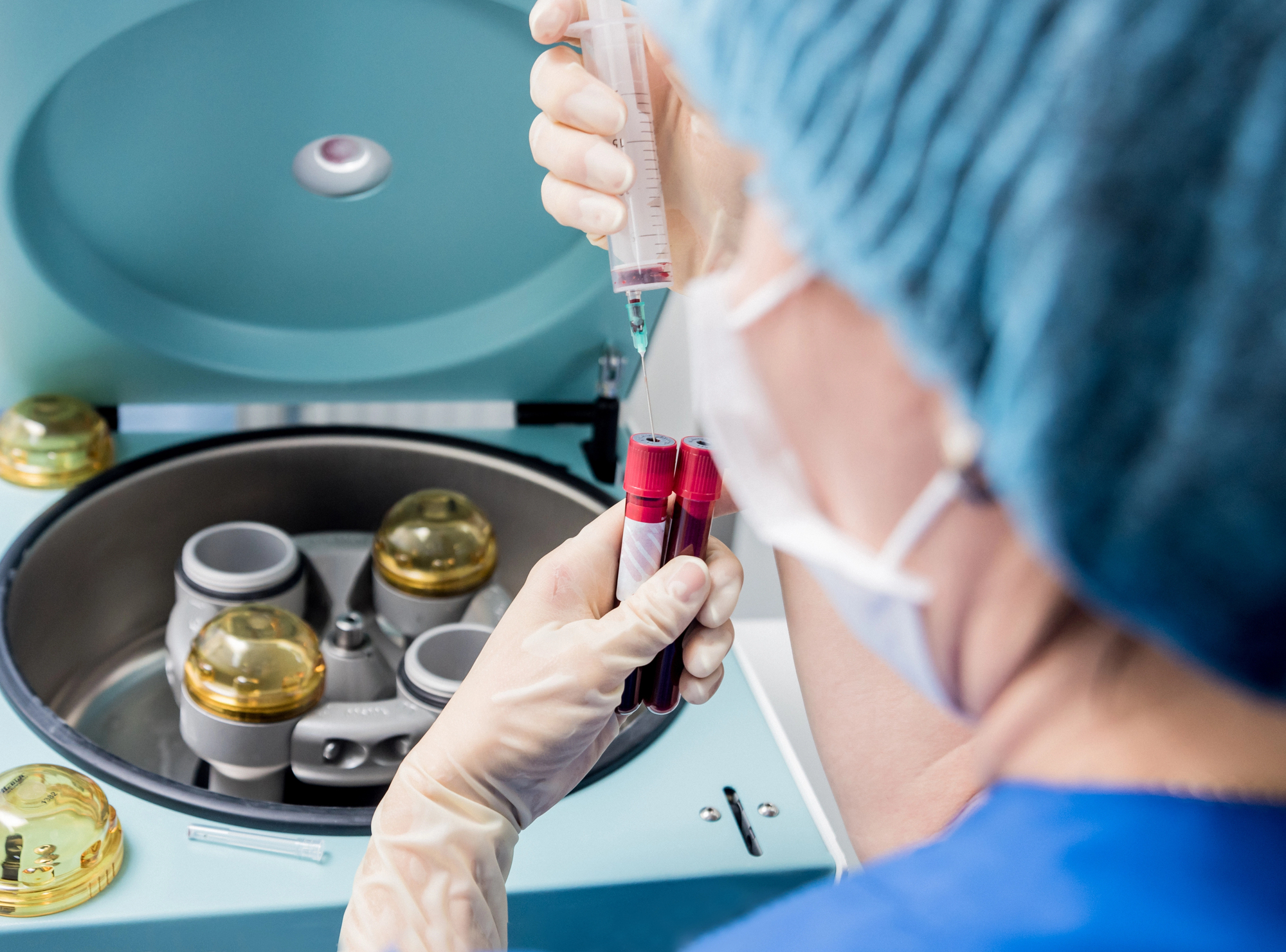
PRP uses a small sample of your own blood, which is processed to concentrate platelets rich in growth factors. These growth factors help stimulate collagen production, tissue repair and skin rejuvenation. PRP may also be used to support hair restoration treatments. Beauty Med offers Cellenis® PRP for skin rejuvenation and hair restoration.
Microneedling
Microneedling creates tiny micro-channels in the skin that trigger the body's natural healing response. This process encourages new collagen formation while improving fine lines, acne scars, enlarged pores and overall skin texture.
Radiofrequency Skin Tightening
Treatments that deliver controlled radiofrequency energy into deeper layers of the skin can stimulate collagen remodelling while improving firmness over time.
These procedures help tighten skin without surgery and are often combined with other regenerative treatments.
Emerging Therapies
Newer regenerative approaches may incorporate products such as exosomes or growth factor-based therapies alongside procedures like microneedling. While these technologies are generating significant interest, research is still evolving, and they are generally considered complementary rather than replacements for established treatments like PRP and microneedling.
Why More People Are Choosing Regenerative Treatments
One reason regenerative aesthetics has become so popular is that today's patients often want subtle improvements rather than dramatic changes. Instead of looking like they've "had work done," many people simply want healthier, smoother and firmer skin.
Regenerative treatments fit this trend because they encourage gradual improvements that continue developing as collagen production increases.
Patients also appreciate that many regenerative procedures can be incorporated into long-term skin maintenance plans.
Is Regenerative Aesthetics Right for Everyone?
Regenerative treatments can benefit adults experiencing early or moderate signs of aging, acne scarring, uneven skin texture or mild skin laxity. However, every person's skin is different. Age, lifestyle, genetics, sun exposure and overall health all influence which treatments are most appropriate. A consultation with an experienced medical aesthetics provider allows your skin to be evaluated and a treatment plan tailored to your goals.
Combining Regenerative Treatments
Many patients achieve the best results by combining treatments.
For example, PRP may be paired with microneedling to enhance collagen stimulation, while radiofrequency treatments can complement an overall skin rejuvenation plan. Clinical evidence suggests PRP may work synergistically with other aesthetic procedures to support skin remodelling.
Rather than relying on a single procedure, combination therapies often address multiple aspects of skin aging at the same time.
The Future of Natural Skin Rejuvenation
Regenerative aesthetics represents a shift in how we think about anti-aging treatments.
Instead of focusing only on correcting wrinkles after they appear, these therapies aim to support healthier skin from within by encouraging natural repair and collagen production.
As research continues to evolve, regenerative treatments are likely to become an even larger part of personalized aesthetic care, helping patients achieve refreshed, natural-looking results with treatments that work alongside the body's own healing processes.
Frequently Asked Questions
What is regenerative aesthetics?
Regenerative aesthetics is an area of medical aesthetics that uses treatments designed to stimulate the body's natural healing response, encouraging collagen production, tissue repair and healthier-looking skin.
Is PRP considered regenerative aesthetics?
Yes. PRP is one of the best-known regenerative aesthetic treatments because it uses your own platelet-rich plasma to stimulate collagen production and skin rejuvenation.
Is microneedling a regenerative treatment?
Yes. Microneedling works by creating controlled micro-injuries that trigger collagen production and the skin's natural healing response.
How long does it take to see results?
Results vary depending on the treatment and individual, but many regenerative procedures produce gradual improvements over several weeks as collagen remodelling occurs.
Are regenerative treatments better than fillers?
They serve different purposes. Regenerative treatments improve skin quality by stimulating natural repair, while fillers primarily restore lost volume. Many patients benefit from combining both approaches as part of a personalized treatment plan.