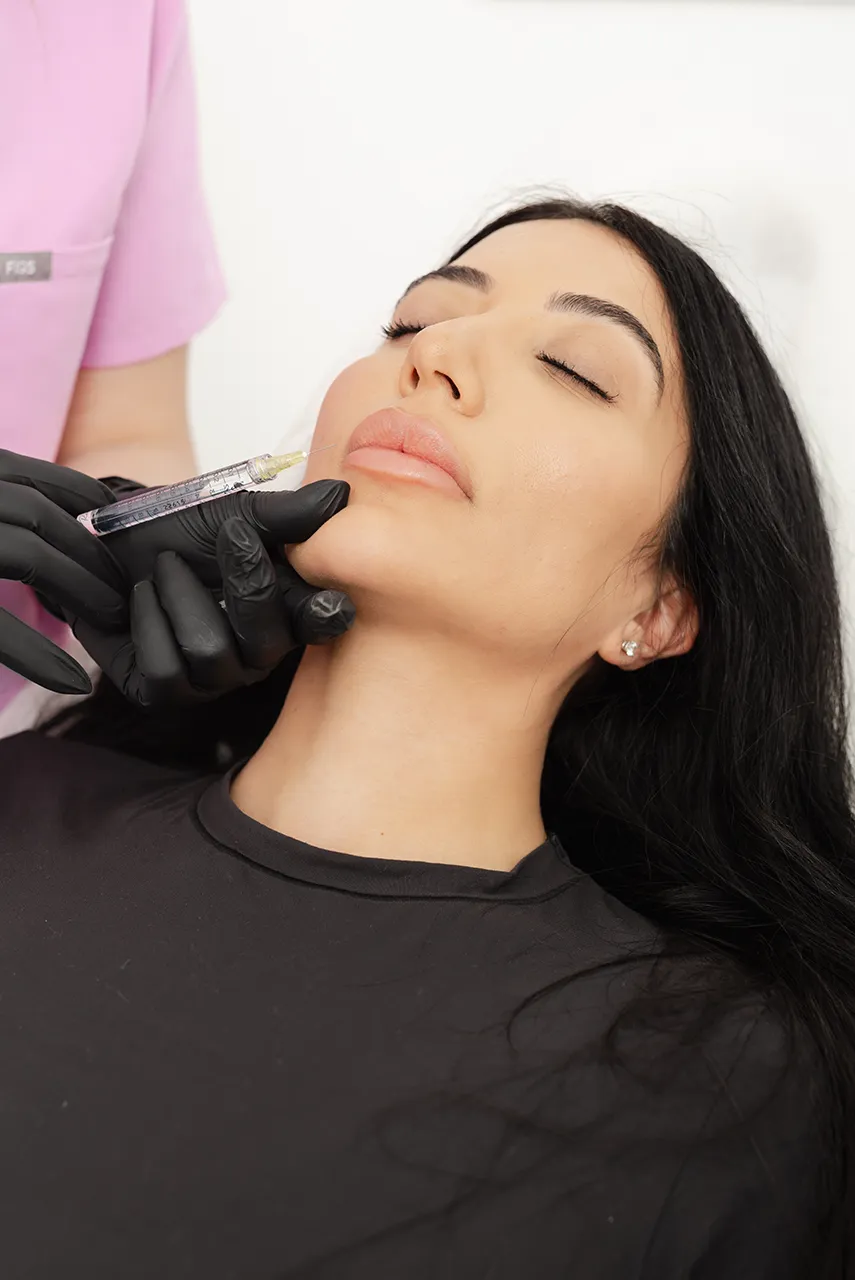
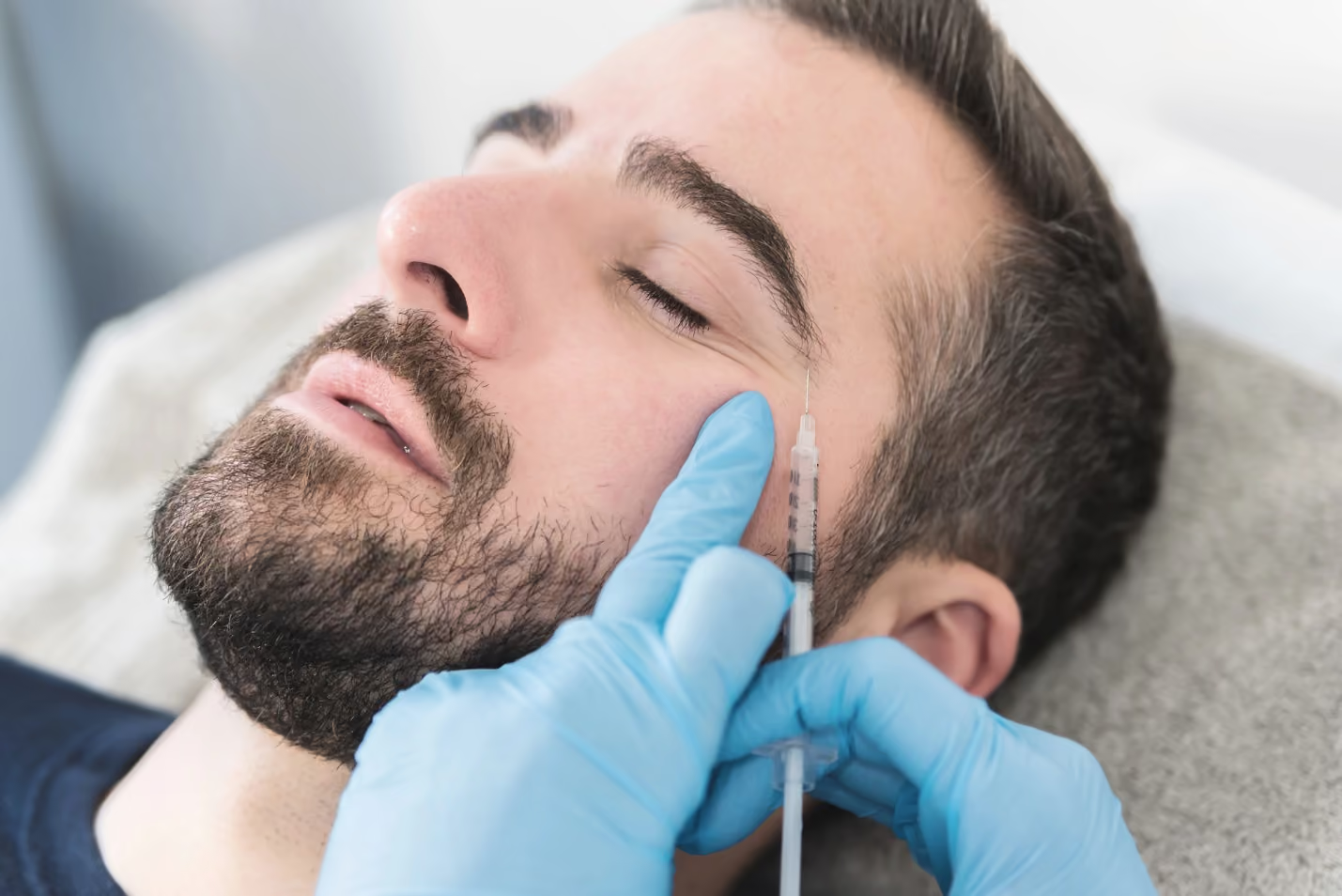
You loved your Botox results at first. Your forehead looked smoother, your frown lines softened and everything settled exactly the way you wanted. Then, a couple of months later, you caught yourself in the mirror and thought: Wait. Is it wearing off already?
It can be frustrating when Botox seems to fade sooner than expected, particularly if previous treatments appeared to last longer. But Botox wearing off quickly does not necessarily mean the treatment failed, your injector did something wrong or you've suddenly become "immune" to Botox.
Botox results typically last around three to four months, although there is considerable variation from one person to another. At Beauty Med, we generally advise that full results develop over about 10 to 14 days.
How long your results last can be influenced by the dose, treatment area, strength of the muscles being treated, injection technique and your individual response.
Key Takeaways
- Botox commonly lasts about three to four months, but there is no exact expiration date.
- Seeing some movement return does not necessarily mean your Botox has completely worn off.
- Dose, muscle strength, treatment area and injection placement can all influence how long results are noticeable.
- True Botox resistance can occur, but it should not be the first explanation for results that seem to fade quickly.
- If Botox repeatedly lasts much less time than expected, reviewing your treatment history with your injector is more useful than simply asking for more units.
How Long Should Botox Last?
For many people, Botox results last approximately three to four months. But that doesn't mean your face remains completely unchanged for three months and then suddenly returns to normal on day one of month four.
Botox gradually reduces muscle activity after treatment, with the full effect generally becoming apparent within about two weeks. Over time, nerve signalling to the treated muscles recovers and movement gradually returns. Learn more about our Beauty Med's Botox and Dysport treatments.
That gradual return is important. You might notice that you can raise your eyebrows a little more or that a frown line is becoming visible with expression again while still retaining much of the treatment's effect.
In other words, the first hint of movement isn't necessarily the same thing as your Botox being completely gone.
We explain more about this timeline in How Injectables Change Over Time (And Why Maintenance Matters).
Why Is My Botox Wearing Off So Fast?
There isn't one universal reason. If your Botox only seems to last two months, for example, the explanation may be different from someone whose Botox has gradually become less effective after years of treatments.
Here are some of the factors your injector may consider.
Your Dose May Have Been Conservative
Botox treatments should be tailored to your facial anatomy, muscle activity and desired result. That means two people treating the same area won't necessarily receive the same number of units.
A conservative dose may be intentional, particularly when the goal is to soften lines while preserving natural facial movement. However, insufficient dosing has also been identified as one potential reason for an inadequate or shorter-than-expected response to botulinum toxin treatment.
That doesn't mean the solution is automatically "more Botox." Your injector needs to consider the result you want, the muscles being treated and how you responded to the previous treatment.
You Have Strong Facial Muscles
Think about how often the muscles around your forehead, eyebrows and eyes move throughout the day. Some people naturally have stronger or more active facial muscles than others.
A person with strong frown muscles, for example, may respond differently to treatment than someone with relatively little movement in the same area. Muscle activity is one of the individual factors we consider when discussing how long injectable results can last.
This is one reason a Botox treatment plan shouldn't simply be copied from one face to another.
Injection Placement and Technique Matter
The number of units is only part of a Botox treatment. They also have to be placed appropriately for the muscles being treated.
Incorrect injection practices, including insufficient dosing, targeting the wrong muscle or improper technique, have been identified as potential causes of reduced response to botulinum toxin.
Facial anatomy varies, too. An experienced injector assesses how your face moves rather than relying solely on a standard map of injection points.
Different Treatment Areas Can Behave Differently
Botox is used in several areas of the face, including forehead lines, frown lines between the brows and crow's feet. Beauty Med also offers both Botox and Dysport, with the appropriate option depending on the patient's anatomy, goals and treatment area.
The muscles involved are not identical in size, strength or activity. You may therefore notice movement returning in one area before another.
If your forehead starts moving before the area between your brows, for example, that doesn't necessarily mean the entire treatment has worn off.
Why Did My Last Botox Treatment Last Longer?
This is an important question if you've had several treatments.
It's tempting to assume something has changed in your body, but first compare the treatments themselves. Did you receive the same product? Were exactly the same areas treated? Was the dose identical? Were your treatment goals the same?
There's another wrinkle, so to speak: memory isn't a particularly precise measuring instrument.
You may remember a previous treatment as "lasting four months" because you didn't notice significant movement until month four. This time, you may be paying closer attention and notice the first movement returning after eight or ten weeks.
If the difference is significant or happens repeatedly, however, it's worth discussing with your injector.
Can a Fast Metabolism Make Botox Wear Off Faster?
Metabolism frequently gets blamed when Botox doesn't last as long as expected. Individual biology may indeed contribute to differences in treatment duration, and we consider metabolism among the factors that can affect Botox longevity.
But "I have a fast metabolism" shouldn't automatically be treated as the explanation.
Dose, treatment area, muscle activity, placement and treatment history can also affect the result. If Botox repeatedly wears off sooner than expected, looking at the entire treatment picture is more useful than assuming your body simply burns through it faster.
Does Exercise Make Botox Wear Off Faster?
Regular exercise is another popular suspect.
You'll find plenty of claims online that people who exercise frequently "metabolize Botox faster." The evidence isn't strong enough to assume that regular workouts are the reason your results don't last as long as someone else's.
This is also different from the aftercare instructions your provider may give you immediately following your injections. Follow the specific post-treatment advice you receive from your injector.
If your Botox is consistently fading early, don't give up the gym in an attempt to squeeze another month out of your forehead. Talk to your injector about more likely explanations first.
Could You Be Developing Botox Resistance?
It is possible to experience a reduced response to botulinum toxin after previously responding well. This is known as secondary nonresponse.
One possible cause is the development of neutralizing antibodies that interfere with the effects of botulinum toxin. However, antibody-related resistance should not automatically be assumed when someone's Botox doesn't seem to work as well as it once did.
A 2025 review of botulinum toxin nonresponse in aesthetic medicine identified several other potential contributors, including improper product handling, incorrect injection practices, insufficient dosing and patient-specific factors.
Neutralizing antibodies also appear to be uncommon with onabotulinumtoxinA. A large meta-analysis covering more than 6,000 subjects across therapeutic and aesthetic uses found a low rate of neutralizing-antibody formation and limited clinical impact.
So if you've had one treatment that didn't last as long as expected, don't immediately conclude that you've become resistant to Botox.
Can Getting Botox Too Often Be a Problem?
This is where timing becomes important.
The 2025 review identified shorter injection intervals of less than three months, higher cumulative doses and booster injections within three weeks of the original treatment among potential factors associated with secondary nonresponse.
That doesn't mean everyone who receives frequent treatments will develop resistance. It does mean that chasing every tiny bit of returning movement with another injection isn't necessarily a good maintenance strategy.
As we explain in our guide to how injectables change over time, good maintenance is about timing and balance, not simply adding more product whenever a result begins to change.
What Should You Do If Your Botox Isn't Lasting?
If your Botox appears to be wearing off unusually quickly, start with your treatment history rather than immediately assuming you need more.
Tell your injector when you first noticed movement returning, which areas changed first and how the result compares with previous treatments. If possible, knowing what product was used, which areas were treated and how many units you received can also help.
Your injector can then assess your current facial movement and determine whether the previous treatment was appropriately dosed for your muscles and goals.
This is particularly useful when there is a pattern. One treatment that seems shorter than usual is different from Botox becoming progressively less effective over several appointments.
At Beauty Med, we take an individualized approach to Botox in Richmond Hill, with treatment plans based on facial anatomy, concerns and desired results rather than applying the same approach to every patient.
Can You Make Botox Last Longer?
There isn't a reliable trick that guarantees another month of Botox.
A good skincare routine is valuable for the appearance and health of your skin, but skincare can't prevent the nerve signalling that Botox temporarily blocks from eventually recovering. Likewise, there isn't good reason to treat hydration, avoiding exercise for months or another internet "Botox hack" as a guaranteed way to extend your results.
A better strategy is an appropriately planned treatment from an experienced provider, followed by maintenance at intervals that make sense for your individual response.
It is also worth remembering what the goal actually is. Botox doesn't need to eliminate every trace of facial movement to be successful. At Beauty Med, we focus on balanced, natural-looking results that soften unwanted lines while maintaining natural expression.
When Should You Talk to Your Injector?
If you notice a little more movement as you approach your next treatment, that is generally part of Botox gradually wearing off.
It's more useful to speak with your injector when your treatment never seems to reach the expected result, the effect consistently disappears much sooner than expected, or a product that previously worked well becomes noticeably less effective over repeated treatments.
The answer may be as straightforward as adjusting the treatment plan. In less common cases, your provider may want to consider whether reduced responsiveness is playing a role.
If your Botox results aren't lasting the way you expected, contact Beauty Med for a free consultation. Our team can review your previous treatments, assess your facial movement and recommend an approach based on how you actually respond to treatment rather than simply repeating the same plan.
Frequently Asked Questions About Botox Wearing Off
Why is my Botox only lasting two months?
Botox that seems to last only two months can have several possible explanations, including the dose used, muscle strength and activity, the treatment area, injection placement and individual response. One shorter-than-expected treatment does not necessarily mean you've developed Botox resistance.
Does working out make Botox wear off faster?
Regular exercise shouldn't automatically be blamed for Botox wearing off quickly. Treatment duration varies between individuals, and factors including dose, muscle activity, treatment area and injection technique may also influence how long results are noticeable.
Can you become resistant to Botox?
Secondary nonresponse to botulinum toxin can occur after someone has previously responded to treatment. Neutralizing antibodies are one possible cause, but reduced response can have other explanations, including dosing and injection-related factors.
Should I get more Botox if mine wears off quickly?
Not automatically. If Botox consistently seems to wear off too quickly, your injector should review your previous dose, treatment areas, muscle activity, goals and treatment history before deciding whether changing the dose or treatment approach is appropriate.
How often should you get Botox?
There isn't one schedule that's right for everyone. Botox commonly lasts around three to four months, and treatment timing should be based on your individual response and your provider's recommendations.