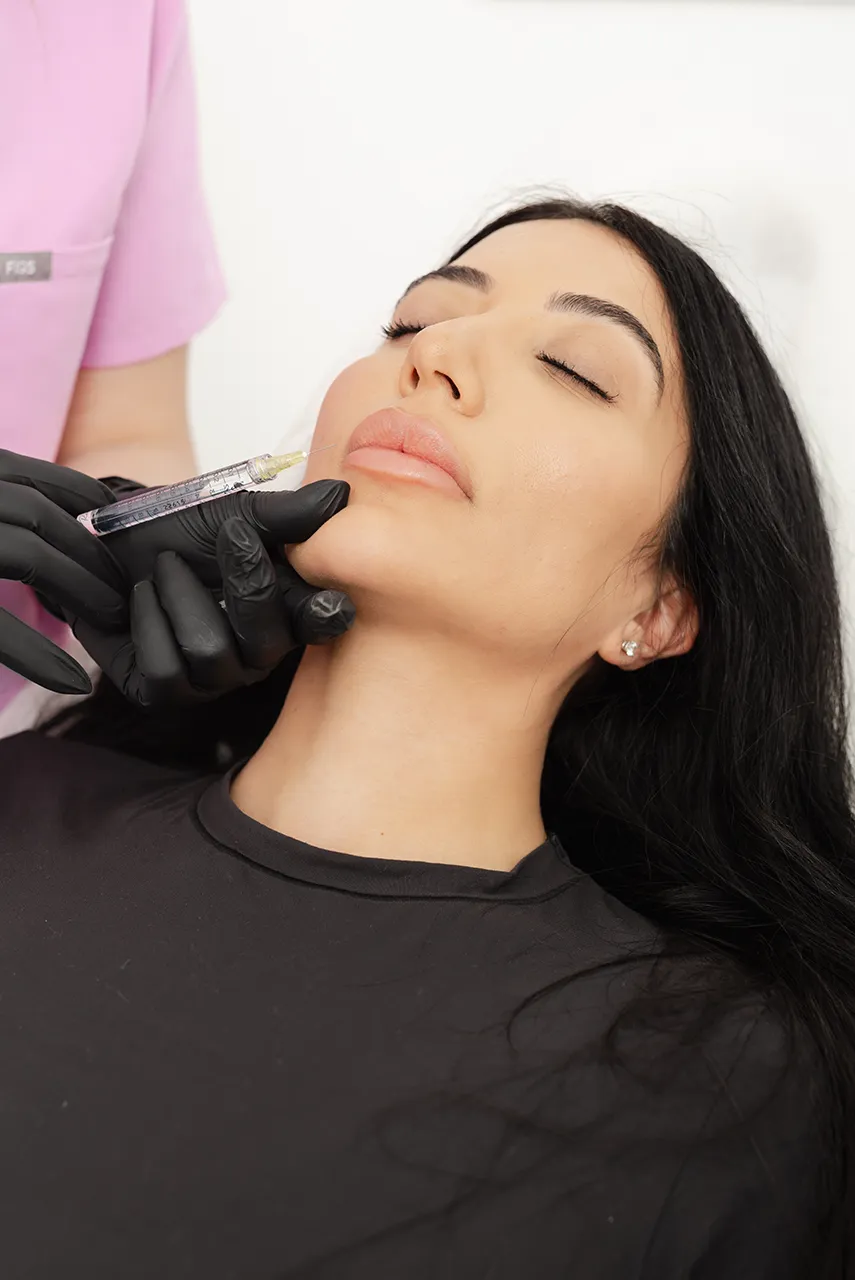
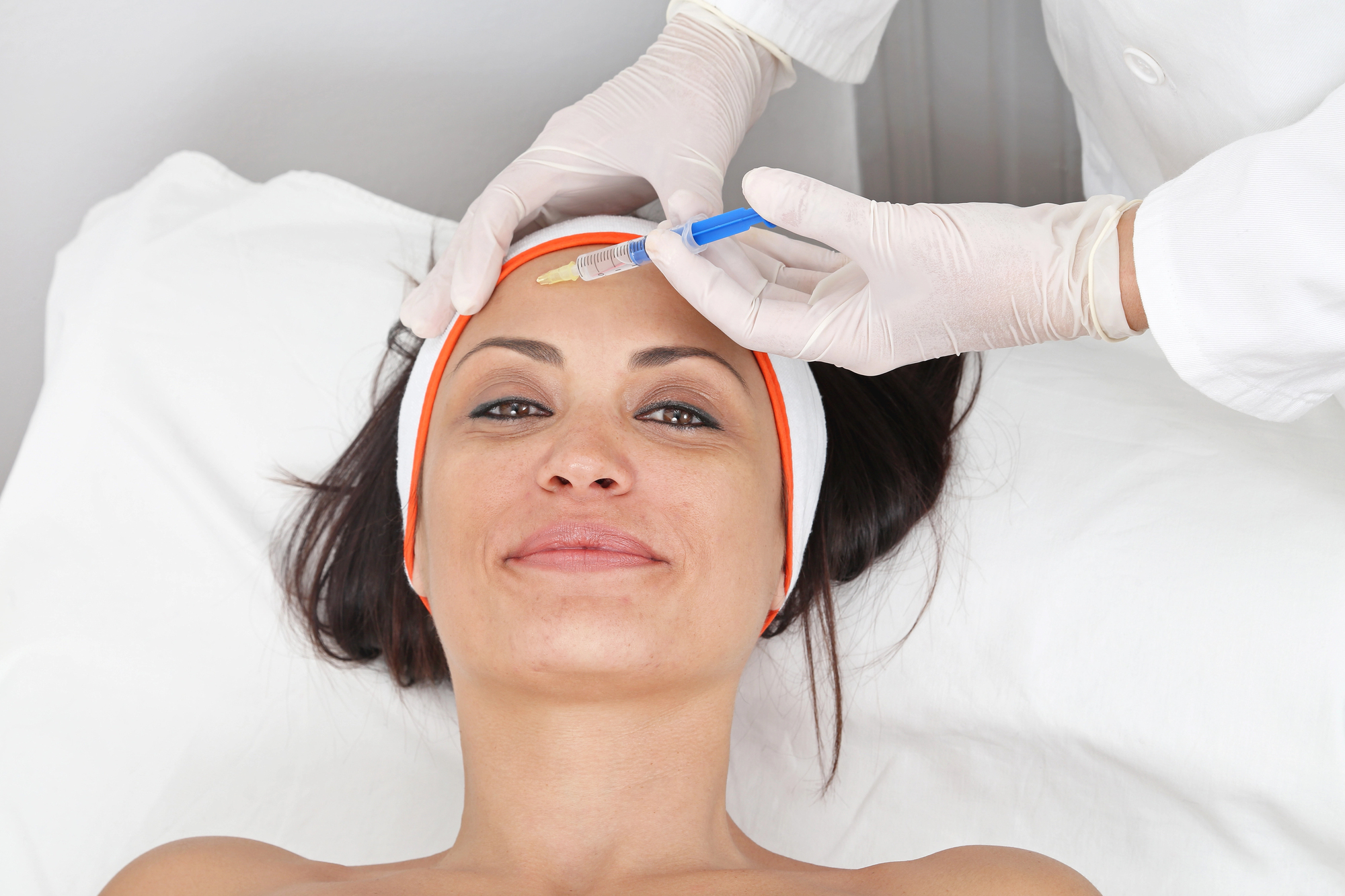
Injectables change over time because your body continues to respond after treatment. The treated area may look different in the first few days compared to the result. Changes occur due to swelling, redness, minor injection-site bumps, tissue adjustment, muscle response, and how the product settles or takes effect. Understanding these changes helps you plan follow-up treatments at the right time, maintain natural-looking results, and avoid the risk of looking overdone.
Key Takeaways
- Botox and dermal fillers change on different timelines.
- Botox usually takes 7 to 14 days to reach full effect and often lasts about 3 to 4 months, although this varies.
- Dermal fillers may appear fuller at first, then settle and soften as swelling subsides.
- Under-eye filler and lip filler need careful assessment because both areas can respond differently to product volume and placement.
- Good maintenance is about timing and balance. It does not always mean adding more products.
How Injectables Change After Treatment
Some products work by softening muscle movement, while others restore volume, improve contour, or support skin quality. This is why results can develop gradually, settle over time, and change again as the body naturally metabolizes the product.
The First Few Days
Temporary changes are common in the first few days after injectable treatment. The skin may look slightly red, swollen, tender, or uneven around the injection sites. Small bumps can also appear shortly after treatment and usually settle as the area calms down.
At this stage, the result may not be visible yet. Some injectables need time to take effect, while others need time to integrate with the surrounding tissue. Delicate or highly mobile areas, such as the lips, may show more noticeable swelling before the result starts to look balanced.
The First Two Weeks
Over the first two weeks, early swelling and injection-site changes usually continue to settle. The treated area often looks softer, smoother, and more natural as the product takes effect. Botox usually begins to show visible softening within a few days, with full results typically seen in 7 to 14 days. Dermal fillers usually settle as swelling goes down. The treated area often starts to look softer, smoother, and closer to the planned result within one to two weeks.
After Two Weeks
After the first two weeks, most swelling and changes have usually settled. The treated area often looks more balanced, but the filler may continue to soften and integrate with the surrounding tissue over the following weeks. Over time, the body gradually breaks down the injectables. How quickly this happens depends on the type of filler used, the treatment area, your metabolism, and lifestyle factors.
How Dermal Fillers Change Over Time
Dermal fillers may look fuller or slightly uneven at first because swelling and tissue adjustment can temporarily affect the treated area. Hyaluronic acid fillers can also attract water, which may influence early fullness. As swelling settles, the result starts to look more balanced. The body gradually breaks down the filler, so volume slowly decreases.
Why Maintenance Matters After Injectables
Maintenance matters because injectable results change gradually. Swelling, facial movement, metabolism, and natural facial changes can also influence how results look over time.
Helps Preserve Balance
During a maintenance visit, your provider can assess how your results are settling and how your facial features are changing. This matters even more in delicate areas. For example, dermal fillers for the under-eyes need careful monitoring because even minor changes can affect how smooth or refreshed the area looks.
Reduces the Risk of Over-Treating
Sometimes your provider may recommend a small touch-up, a longer wait, or no treatment yet. The goal is to maintain a natural result, not to keep adding volume or reducing movement before your face needs it.
Supports the Right Timing
Treating too early or too aggressively can increase the risk of overcorrection. A planned approach allows results to fade, settle, or soften properly before your provider recommends the next step.
When to Book a Follow-Up
Follow-up timing depends on the treatment you received and your provider’s recommendation. During a follow-up appointment, your provider can check healing, symmetry, settling, and whether you need any adjustments. For many injectable treatments, it is best to wait until the early healing period has passed before judging the result. This matters even more with dermal fillers, since swelling and tissue adjustment can affect how the treated area looks at first.
Contact the clinic sooner if you notice unusual pain, significant swelling, changes in skin colour, or symptoms that concern you. Your provider can assess these changes and advise you on the safest next step.
Frequently Asked Questions About Injectables
How long does Botox last?
For most people, Botox lasts about 3 to 4 months. The exact timeline varies based on the dose used, the area treated, muscle activity, metabolism, lifestyle, and treatment history. If your Botox fades much sooner than expected, it may be worth reviewing your treatment plan with your injector.
Is swelling normal after an under-eye injection filler?
Yes, mild swelling can happen because the under-eye skin is thin and delicate. Injectables for the under-eye area may also cause temporary puffiness, tenderness, or slight unevenness as the area settles. Contact the clinic if swelling is significant, worsening, painful, or paired with skin colour changes.
How long does lip filler take to settle?
Lip filler often takes about one to two weeks to settle, although this can vary by patient. The lips may look fuller than expected in the first few days because swelling is common in this area. As swelling decreases, the shape and volume usually appear softer and more balanced. Follow your provider’s aftercare instructions and book a follow-up if you are unsure about your results.
Injectable Treatments
Injectables produce real results, but they are not permanent, and they do not stay the same from week to week. Understanding how Botox fades, how fillers settle, and how specific areas like the lips and under eyes change over time helps patients make better decisions about timing, follow-ups, and what maintenance looks like in practice.
If you are considering Botox, dermal fillers, or lip filler maintenance, book a consultation with Beauty Med Clinic to talk through your goals and find an approach that suits your face.