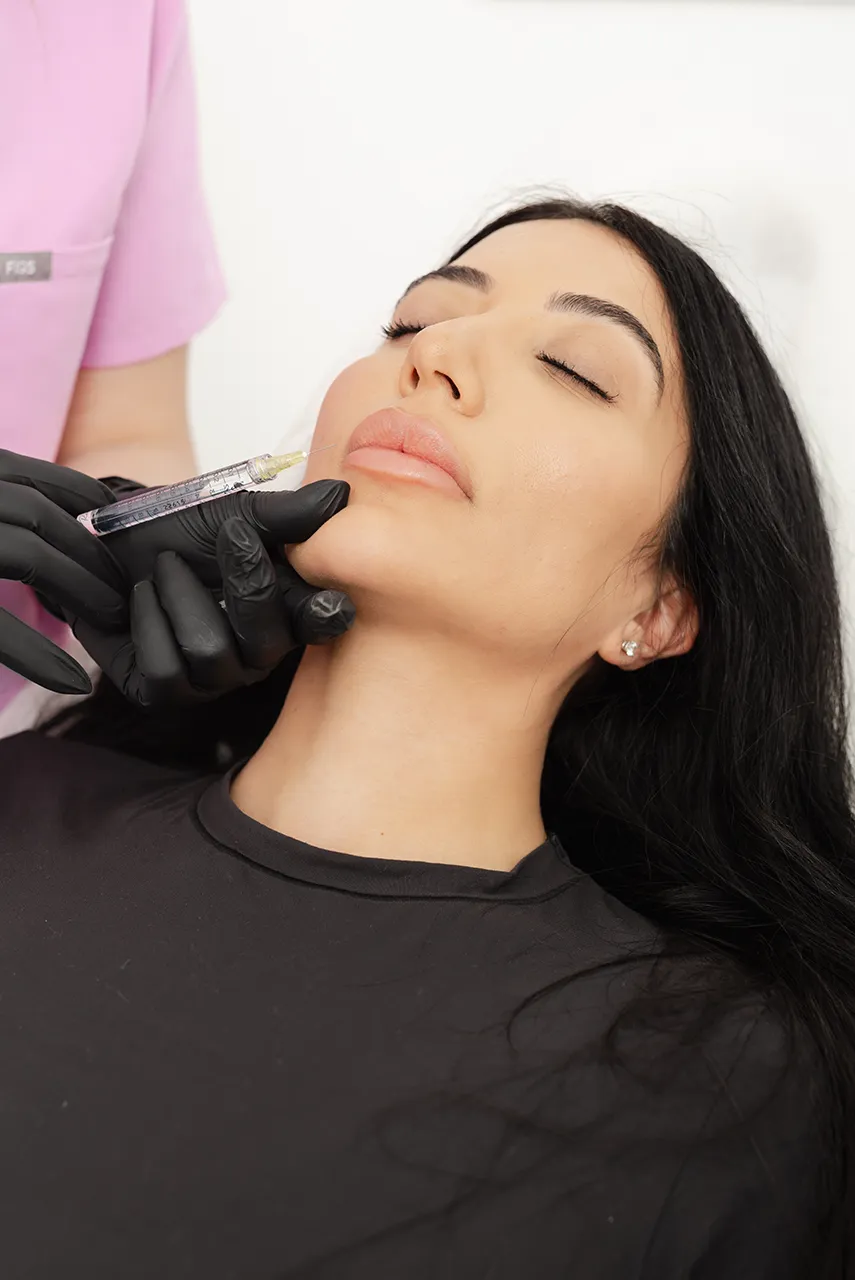

A Tetra CoolPeel is a fractional CO2 laser treatment that resurfaces the skin using short, precise pulses of energy. It is designed to improve concerns such as fine lines, rough texture, enlarged-looking pores, mild sun damage, and uneven tone while limiting unnecessary heat in the surrounding skin.
Compared with deeper traditional CO2 resurfacing, CoolPeel can offer a more controlled treatment with a shorter recovery period. Downtime still depends on the settings used and how your skin responds.
Key Takeaways
- Tetra CoolPeel is a fractional CO2 laser resurfacing treatment.
- It may improve texture, fine lines, pores, and mild sun damage.
- Treatment intensity can be adjusted to suit the skin and treatment goal.
- Redness, dryness, warmth, or temporary roughness can occur during healing.
What Is a Tetra CoolPeel?
CoolPeel is performed with a DEKA Tetra CO2 laser platform. The laser creates microscopic treatment zones in the skin rather than treating the entire surface at the same depth. Untreated skin remains between those zones, which supports the healing process.
As the skin repairs itself, surface texture can become smoother and collagen remodelling may support gradual improvement in fine lines and firmness. The treatment is fractional, so the practitioner can adjust the intensity instead of using one fixed approach for every patient.
What Makes CoolPeel Different?
The word “cool” does not mean the laser feels cold. It refers to the way the energy is delivered in short pulses that reduce lingering heat in nearby tissue. This allows superficial resurfacing with less thermal effect than more aggressive CO2 treatments.
A lighter CoolPeel and a deeper CO2 treatment are not the same experience. Settings can be adjusted based on the concern being treated and the amount of downtime that is appropriate.
What Can a Tetra CoolPeel Laser Treat?
A Tetra CoolPeel may be considered for fine lines, early wrinkles, rough or uneven texture, enlarged-looking pores, mild sun damage, dullness, and some superficial pigmentation or acne-scar concerns.
Deeper acne scars, significant laxity, melasma, vascular redness, or complex pigmentation may need a different approach or combination treatment.
Depending on your goals, alternatives may include chemical peels for controlled exfoliation or mesotherapy for broader skin-quality concerns.
What to Expect Before, During, and After CoolPeel
Before Treatment
Your provider should assess your skin, treatment history, medications, and goals first. You may be asked to pause irritating or exfoliating products and avoid tanning or excess sun exposure.
During Treatment
Sensation varies with the settings and treatment area. You may feel warmth, prickling, or a brief snapping sensation as the laser passes over the skin. Numbing cream or cooling may be used when appropriate.
After Treatment
The skin may look pink or red and feel warm after treatment. Mild swelling, dryness, tightness, or a fine sandpaper-like texture can also develop over the next few days as the skin heals.
Keep your routine simple during recovery and follow your provider’s aftercare instructions. Avoid unnecessary scrubs, acids, or other strong exfoliants, especially if your skin is already showing warning signs of over-exfoliation.
When Will You See Results?
Early redness and texture changes need to settle before the result can be judged. Once the skin has healed, it may begin to look smoother and more even. Collagen-related changes develop more gradually and can continue over the following weeks and months.
The number of sessions varies. Some people may be satisfied after one treatment, while others may benefit from a series. Your provider should assess your response before recommending another session.
Professional treatments also work best alongside a consistent home routine. Your skincare needs can change with age, so products and active ingredients may need to be adjusted as your skin changes.
Tetra CoolPeel vs. Traditional CO2 Resurfacing
Traditional ablative CO2 resurfacing can treat deeper wrinkles, scarring, or more advanced sun damage, but it can also involve more redness, peeling, swelling, and downtime.
CoolPeel uses a more controlled fractional approach. With lighter settings, recovery may be shorter, but the degree of resurfacing is also different. A lighter treatment should not be expected to produce the same result as a deeper ablative procedure.
CoolPeel vs. Morpheus8
CoolPeel and Morpheus8 can both support skin rejuvenation, but they work differently. Tetra CO2 CoolPeel uses laser energy to resurface the skin, while Morpheus8 combines microneedling with radiofrequency energy to work deeper in the tissue.
CoolPeel may be considered when surface texture, pores, fine lines, or mild sun damage are priorities. Morpheus8 may be considered when deeper remodelling, loss of firmness, acne scarring, or laxity are part of the concern.
Neither option is automatically better. The right treatment depends on your skin and goals. If your concerns extend beyond resurfacing, other ways to rejuvenate skin naturally may be considered as part of a broader treatment plan.
Who May Be a Good Candidate for Tetra CoolPeel?
CoolPeel may suit adults who want to improve texture, fine lines, visible pores, or mild sun damage with a more controlled level of CO2 resurfacing. Skin type, recent sun exposure, medications, irritation, scarring history, and pigment changes can all affect treatment planning.
Skin tone also matters because post-inflammatory hyperpigmentation can occur after laser resurfacing. Your practitioner should assess your skin and treatment history before choosing the settings.
Is CoolPeel Worth It?
CoolPeel may be worth considering if your goals are smoother texture, softer fine lines, smaller-looking pores, or improvement in mild sun damage with less recovery than a deeper CO2 treatment. It may be less suitable if you expect one light treatment to correct deep scars, significant laxity, or advanced photoaging. Consider whether the expected improvement, downtime, number of sessions, and cost suit your goals.
Frequently Asked Questions
What is a CoolPeel?
A CoolPeel is a fractional CO2 laser resurfacing treatment that creates microscopic treatment zones in the skin. It is used to improve texture, fine lines, pores, and certain signs of sun damage while limiting excess heat in surrounding tissue.
What is a CoolPeel treatment?
A CoolPeel treatment starts with a skin assessment and selection of appropriate Tetra laser settings. The laser is then passed over the treatment area. Temporary redness, warmth, dryness, or rough texture can occur afterward while the skin heals.
Does CoolPeel hurt?
Comfort varies. Some people feel warmth, prickling, or brief snapping during treatment. The settings, treatment area, and individual sensitivity all matter, and numbing or cooling may be used when appropriate.
How much downtime is there after Tetra CoolPeel?
Downtime depends on treatment intensity. A lighter session may cause redness, dryness, warmth, or a rough texture for several days, while stronger resurfacing can require a longer recovery period.
Find Out if Tetra CoolPeel is Right for Your Skin
Tetra CoolPeel is a controlled approach to fractional CO2 resurfacing that may improve fine lines, uneven texture, visible pores, and mild sun damage with a more manageable recovery than deeper ablative resurfacing.
If you are considering a Tetra CoolPeel, contact us to arrange a consultation, have your skin assessed, and discuss whether CoolPeel or another treatment is more appropriate for your goals.