
How Gummy Smile Botox Works, What to Expect and How Long Results Last
Yes. Botox can help reduce a gummy smile when overactive upper-lip muscles pull the lip too high. Small injections relax those muscles, so less gum shows when you smile. It is a temporary, non-surgical option, and the effect is usually subtle rather than a complete change in your smile.
Botox for a gummy smile will not fix every cause of visible gums. Tooth position, gum tissue and jaw structure may require dental treatment instead. The first step is finding out why your gums show.
Key Takeaways
- Botox may reduce gum exposure when strong upper-lip movement is the main cause.
- Changes generally become noticeable within one to two weeks.
- Results are temporary, often lasting around three to four months.
- Botox cannot correct gum overgrowth, tooth position or underlying jaw structure.
- An experienced medical injector should assess suitability and explain the risks.
What Is a Gummy Smile?
A gummy smile, also called excessive gingival display, describes a smile in which a relatively large area of gum appears above the upper teeth. No single measurement defines an unattractive smile. Some people naturally have visible gums and are comfortable with how they look.
Gum exposure may be more noticeable in photographs or when laughing. Common causes include a highly mobile upper lip, excess gum tissue, short-looking teeth, or the position of the upper jaw.
The cause matters because treatments work differently. Botox changes muscle movement; it does not reshape gum tissue or move teeth.
How Does Botox for a Gummy Smile Work?
The muscles beside the nose and upper lip help lift the lip when you smile. In some people, these muscles pull the upper lip high enough to expose more gum than they would like. Botulinum toxin type A temporarily reduces the activity of selected muscles by interrupting nerve signals.
A trained injector places small amounts in chosen areas near the upper lip. When the muscles relax, the lip generally rises less during a broad smile. The aim is to reduce excessive gum display while preserving normal facial expression and lip function.
Using Botox for gummy smiles is different from treating forehead lines or crow’s feet. It is an off-label cosmetic use, meaning it is not a specifically approved indication. Repeated facial expressions can also contribute to wrinkles around the mouth, but those wrinkles and a gummy smile are separate concerns.
What Happens During Treatment?
Assessing Your Smile
The clinician reviews your medical history, treatment goals and how your upper lip moves when you smile. You may be asked to smile normally and broadly so they can identify which muscles are contributing to gum exposure.
The Injections
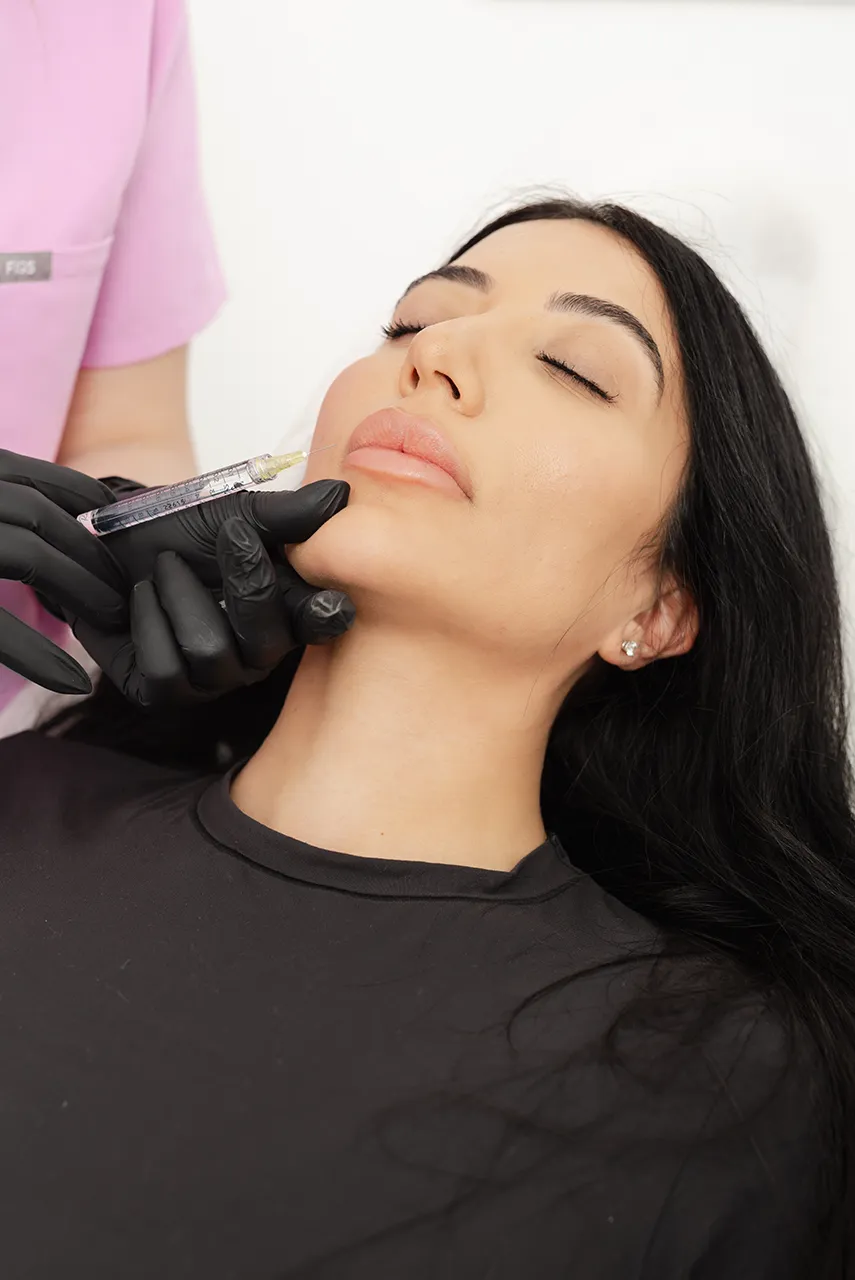
If treatment is appropriate, the injector uses a fine needle to place small amounts of product in selected muscles beside the upper lip. The injections generally take only a few minutes and may cause a brief pinch.
After Your Appointment
Most people resume routine activities soon afterward. Follow your clinician's aftercare instructions, including any recommendations about touching the treated area, exercise and other activities. Contact the clinic if you experience unexpected symptoms or have concerns about your results.
When Will You See Results, and How Long Do They Last?
When Results Appear
Botox does not change your smile immediately. You may notice less upper-lip movement within several days, with the full effect usually visible after about 10 to 14 days. Avoid judging the result too early.
How Long the Effect Lasts
Results commonly last around three to four months, although some people notice a shorter or longer effect. Muscle strength, dose and individual response all matter.
What to Expect from Maintenance
You may see less gum rather than a completely different smile. Too much muscle relaxation can affect your expression or lip movement. Once the effect fades, your lips gradually return to their usual position.
Are There Risks or Side Effects?
Common Short-Term Effects
Mild redness, tenderness, swelling or bruising can occur at the injection sites. These effects are generally short-lived.
Problems That Need Attention
An uneven smile, upper-lip weakness or difficulty drinking through a straw may occur if nearby muscles are affected. These effects can persist until the toxin wears off. Seek urgent medical care for trouble swallowing, speaking or breathing, or widespread weakness after an injection.
Choose a qualified injector who understands the small muscles around the mouth. Ask about their experience with gummy-smile treatment, expected changes, complications and what to do if your smile looks uneven.
Frequently Asked Questions
Does Botox for a gummy smile look natural?
It can, when the dose and placement are appropriate. The goal is to limit excessive lip lift without preventing a normal smile. Results depend on your facial anatomy and the injector’s technique.
How many units of Botox are needed for a gummy smile?
There is no universal dose. The amount depends on the muscles involved, the extent of gum exposure, the product used and your previous response. Your injector should determine the dose after an assessment, not from a standard online chart.
Is gummy smile Botox the same as a lip flip?
No. A lip flip typically targets a different muscle near the lip border to change how the upper lip turns outward. Gummy smile treatment more often targets muscles that lift the upper lip. The two procedures have different goals and should not be treated as interchangeable.
Can Botox permanently fix a gummy smile?
No. Botox temporarily weakens targeted muscles. As its effect fades over several months, normal movement gradually returns. Longer-lasting changes may require a different type of treatment suited to the underlying cause.
Does gummy smile Botox hurt?
Most people describe brief discomfort from small injections. Mild tenderness or bruising afterward is possible. If you are concerned about pain or have reacted to injections before, ask the clinician what to expect.
Is Botox the Right Option for Your Smile?
Botox can help reduce a gummy smile when excess upper lip movement is the main cause. It offers a non-surgical option with minimal downtime, but the results are temporary and may not suit everyone.
The right treatment depends on why your gums are visible when you smile. If the cause relates to your teeth, gums, or jaw structure, a dental treatment may be more appropriate.
If you're considering Botox for a gummy smile, a professional assessment can help determine whether relaxing the upper-lip muscles is likely to improve your smile. Contact Beauty Med in Richmond Hill to discuss your concerns, learn about available treatment options and arrange a consultation.